Cost of Building a 5 Ton LPG Gas Plant in Nigeria (2026 Guide)
As the use of LPG cooking gas continues to increase across Nigeria, more entrepreneurs are exploring opportunities in gas retail and distribution businesses. This guide will walk you through the detailed breakdown of the cost of building a 5 ton LPG plant in Nigeria in 2026.
Before discussing figures, an important clarification must be made.
This estimate excludes:
- Civil works
- Land acquisition cost
- Government approvals
- Licensing and permit fees
This guide focuses primarily on the major equipment and installation related components involved in setting up a standard 5 ton LPG gas plant.
5 Ton LPG Gas Plant Equipment Breakdown
A 5 ton LPG plant involves several interconnected components. Looking only at the tank price can create an inaccurate budget.
The major equipment estimate for 2026 includes:
| Component | Estimated Cost |
|---|---|
| 5 Ton LPG Tank | ₦12,000,000 |
| Single Phase LPG Pump | ₦800,000 |
| Double Nozzle Foreign LPG Dispenser | ₦4,700,000 |
| Valves, Pipes, H Beam Base, Electrical Panel, Automatic Bypass Valve, Piping Work, Shutdown Valve | ₦2,500,000 |
| Total Estimated Cost | ₦20,000,000 |
Based on this equipment structure, the estimated overall cost of building a 5 ton LPG gas plant in Nigeria in 2026 is approximately ₦20 million.
5 Ton LPG Tank Cost in Nigeria
The largest share of the project cost comes from the storage tank.
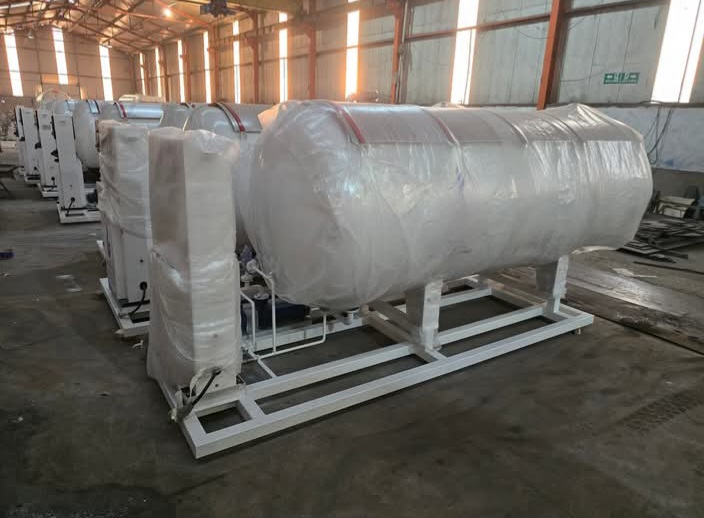
For this guide, the cost of a 5 ton LPG tank is approximately ₦12,000,000.
The tank is the core of plant operations because it stores LPG product and supports dispensing activities. Investors should therefore think beyond price alone when evaluating tanks.
Important considerations usually include:
- Equipment quality
- Pressure rating
- Material specification
- Operational suitability
- Durability expectations
Cost of LPG Pump and LPG Dispenser
The LPG pump and dispenser also contribute significantly to the total setup cost.
For this estimate:
- Single phase LPG pump, ₦800,000
- Double nozzle foreign LPG dispenser, ₦4,700,000
The pump supports LPG movement within the system, while the dispenser directly affects customer dispensing operations.
Because these components influence operational performance, quality and reliability matter during equipment selection.
Powerful LPG Safety Standards and Best Practices
Cost of Supporting Components in a 5 Ton LPG Gas Plant
Many investors remember the tank and dispenser but underestimate smaller supporting components.
These components are essential to safe and functional plant operation.
The combined cost of these supporting systems is approximately ₦2,500,000.
This category includes:
- Valves
- Pipes
- H beam base
- Electrical panel
- Automatic bypass valve
- Piping work
- Shutdown valve
Without these components, the LPG system would not function properly.
Factors That Affect the Cost of Building a 5 Ton LPG Gas Plant in Nigeria
Although this guide uses an estimated equipment cost of approximately ₦20,000,000, investors should understand that project costs can be influenced by several practical factors.
One important factor is equipment specification.
Different project requirements may affect equipment selection, configuration, and pricing. Tank specifications, dispenser models, electrical systems, and component quality can all influence the overall project scope.
Another factor is supplier capability.
Not all suppliers operate at the same level. Some focus mainly on equipment sales, while others combine equipment supply with engineering support and project understanding.
Understanding what a supplier quotation actually covers is important during budgeting.
Why Proper Budget Planning Matters
Many LPG projects experience delays because investors underestimate project requirements.
Understanding the cost of building a 5 ton LPG gas plant in Nigeria early can help improve financial preparation and decision making.
Proper budgeting supports:
- Realistic cost planning
- Clearer procurement decisions
- Improved project scheduling
- Better financial preparation
- Reduced risk of unexpected expenses
Strong budgeting is not simply about calculating figures.
It is about understanding where project expenditure is concentrated and planning accordingly.
Global LPG Industry Safety and Market Insights
Common Budgeting Mistakes Investors Should Avoid
Several common mistakes can affect LPG investment planning.
One of the biggest errors is focusing only on major equipment while ignoring supporting systems.
Many people remember the storage tank and dispenser but overlook components such as valves, pipes, shutdown systems, electrical panels, and piping accessories.
Another common mistake is assuming every supplier quotation represents the same project scope.
Different suppliers may include different items in their pricing structure.
Investors should therefore review quotations carefully and confirm what is included and excluded.
A third mistake involves combining unrelated cost categories into a single assumption.
Equipment cost should be separated clearly from:
- Land acquisition
- Civil works
- Regulatory approvals
- Permit fees
- Construction related expenses
Maintaining this distinction improves budgeting accuracy.
Cost of Building a 5 Ton LPG Gas Plant in Nigeria and Maintenance Thinking
Project cost discussions should not end with installation alone.
Long term equipment performance also deserves attention.
Once a gas plant becomes operational, maintenance planning becomes part of business continuity.
Areas that may require periodic attention include:
- Pump monitoring
- Valve inspection
- Pipeline assessment
- Electrical system review
- Dispenser functionality checks
Good maintenance planning can support operational reliability and reduce avoidable disruptions.
How Supplier Selection Influences the Cost of LPG Gas Plant
Supplier choice can influence both project experience and long term operational confidence.
Some suppliers focus strictly on product delivery.
Others provide broader support involving equipment understanding, technical guidance, and installation awareness.
Choosing an experienced LPG engineering company can help investors navigate equipment planning more effectively.
Companies such as Gaspella Engineering Limited continue supporting LPG discussions around equipment supply, engineering related services, and project support within Nigeria’s growing gas industry.
For investors, balancing cost, equipment quality, supplier capability, and technical understanding often leads to stronger project outcomes.
Who Should Consider Building a 5 Ton LPG Gas Plant in Nigeria?
A 5 ton LPG plant may appeal to different categories of investors depending on their business objectives.
Potential investors may include:
- Entrepreneurs entering the LPG market
- Existing gas operators expanding operations
- Commercial energy investors
- Fuel marketers diversifying into LPG
- Businesses exploring gas retail opportunities
For these groups, understanding cost structure becomes a critical first step.
Clear visibility into equipment pricing, exclusions, and planning requirements can help improve investment readiness.
Is a 5 Ton LPG Gas Plant a Smart Investment in Nigeria?
Many investors explore the cost of building a 5 ton LPG gas plant in Nigeria because they see growing opportunity in the LPG market.
Cooking gas demand continues expanding across households, restaurants, hotels, institutions, and commercial environments. This growth has increased interest in LPG retail and distribution businesses.
However, entering the industry successfully requires more than recognising market demand.
Investors typically benefit from combining:
- Accurate budgeting
- Good planning
- Equipment quality awareness
- Supplier evaluation
- Operational preparation
Understanding the actual project cost before implementation helps reduce uncertainty and supports more informed investment decisions.
Common Mistakes Investors Make When Calculating the Cost of Building a 5 Ton LPG Gas Plant in Nigeria
Several mistakes repeatedly appear during LPG project planning.
One common error is underestimating the full equipment structure.
Some investors focus only on the tank cost without accounting for dispensers, pumps, valves, piping systems, electrical panels, and shutdown components.
Another mistake is misunderstanding project scope.
The estimated ₦20 million cost discussed in this guide covers major equipment and installation related components only.
It does not include:
- Land acquisition
- Civil works
- Government approvals
- Licensing expenses
- Permit processing fees
Failing to separate these categories can create unrealistic budgets and planning problems.
Why Technical and Engineering Support Matter
LPG projects involve more than equipment procurement alone.
Equipment selection, system planning, installation understanding, and operational readiness can influence project outcomes.
This is why many investors pay attention not only to pricing but also to supplier capability and engineering support.
Working with technically competent LPG professionals can support stronger project preparation.
Within Nigeria’s LPG sector, companies such as Gaspella Engineering Limited continue participating in LPG engineering discussions involving equipment supply, installation support, and project related services.
Final Cost Summary for Building a 5 Ton LPG Gas Plant in Nigeria
| Equipment Component | Estimated Cost |
|---|---|
| 5 Ton LPG Tank | ₦12,000,000 |
| Single Phase LPG Pump | ₦800,000 |
| Double Nozzle Foreign LPG Dispenser | ₦4,700,000 |
| Supporting Components | ₦2,500,000 |
| Total Estimated Cost | ₦20,000,000 |
Conclusion, Cost of Building a 5 Ton LPG Gas Plant in Nigeria, 2026 Guide
The cost of building a 5 ton LPG gas plant in Nigeria in 2026 is estimated at approximately ₦20,000,000 based on the equipment and installation related components covered in this guide.
This estimate includes the 5 ton LPG tank, single phase pump, double nozzle foreign dispenser, valves, piping systems, electrical panel, automatic bypass valve, shutdown valve, and related supporting materials.
It is important to remember that the estimate excludes civil works, land purchase, approvals, licensing, and permit related expenses.
For investors evaluating opportunities within Nigeria’s LPG industry, careful planning remains essential.
Understanding equipment costs, budgeting realistically, selecting capable suppliers, and approaching the project with clear expectations can support better decision making and stronger project preparation.